TRAFFIC ALERT: The west side of the Parkview Place intersection at Lakeland Hills Boulevard is under construction causing delays.
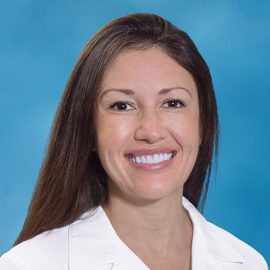
“I am with my patients every step of the way. Whatever challenge we face, we will figure it out and overcome it together.”
-Dr. Vanessa Prowler
Life is unexpected; it throws challenges and curves our way. So, when life happens, your support system is there to provide compassionate, kind, and unconditional care. Our surgeons, Breast Navigators, and care teams are proud to be part of your support system. Whether attending regular mammograms, newly diagnosed, supporting a loved one through their diagnosis, or a survivor of breast cancer, we are here to care for you, for life.
DID YOU KNOW
Women with a normal family history should start receiving annual mammograms at age 40?
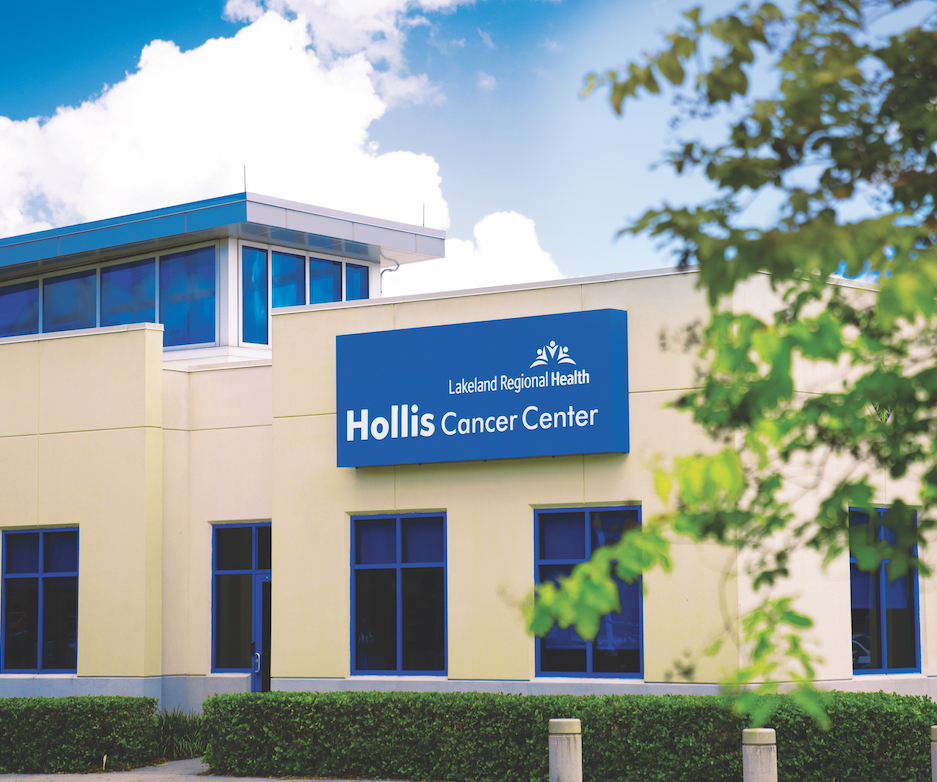
At Lakeland Regional Health’s Hollis Cancer Center, our oncology surgeons not only offer advanced techniques and procedures for our patients but also have an unmatched passion for the care they provide.
Dr. Vanessa Prowler always knew she wanted to go into healthcare. When she began her medical training, Dr. Prowler fell in love with breast surgery oncology. Dr. Prowler is currently the only Breast Cancer Surgeon in the area trained in Breast Cancer Risk Assessment. Dr. Prowler went through a 4-month intensive cancer genetics course through the City of Hope Genetics program, where she mastered how to use genetics and genomics in cancer risk assessment, management, and prevention practice for breast cancer care, including imaging, chemo-preventive, and surgical interventions for counseling and testing.
With such advancements in breast cancer treatment, Dr. Prowler is dedicated to patient recovery. She specializes in treating benign and malignant breast diseases. She is a Trained Clinician in Cancer Risk Assessment, and her clinical focus includes high-risk breast patients and surgical techniques called “oncoplastic” surgery.
Dr. Prowler specializes in oncoplastic breast surgery and uses plastic surgery techniques to reconstruct the defect of the breast when the cancer is removed. The main surgery she performs is a lumpectomy, which is a type of breast cancer surgery in which the tumor and a small amount of surrounding tissue, also known as margins, are removed. Patients are usually on their feet right after surgery.
The second surgery is a mastectomy, where patients undergo surgery that involves the permanent removal of either one or both breasts. Dr. Prowler works closely with Dr. David Straughan, Lakeland Regional Health’s expert Plastic and Reconstructive surgeon, for partial and whole breast reconstruction.
Dr. Prowler is the only surgeon in the area to use the advanced technique of Hidden Scar for her patients undergoing breast surgery. Instead of making large incisions on the breast, she makes smaller incisions underneath the breast, in the axilla, or around the areola.
She undertook specialized additional training to ensure that breast cancer patients do not have large, noticeable scars long after their cancer journey is over. 99% of patients are candidates for Hidden Scar and Dr. Prowler wants her patients to look in the mirror for the rest of their lives and have no regrets.
“I aim to provide patients with the knowledge about their disease, so they may better understand and proactively take charge of the ailment that faces them.”
-Dr. Vanessa Prowler
As part of our promise to place patients at the heart of all we do, our physicians and care teams create lifelong relationships with patients to support them through each stage of health.
Dr. Prowler cares for patients at every stage of their diagnosis.
This includes:
A breast mammogram is the best way to find breast cancer in most women. A mammogram is an x-ray of the breast and can offer in-depth detail of the breast makeup, density, and abnormalities in the tissue. The machine will compress each breast for around 30 seconds. You will feel some pressure, but the mammogram should not be painful.
The current gold standard for mammograms is 3-D mammograms. These types of mammograms are the most accurate type since they provide more details, particularly in women with dense breast tissue. Dense breast tissue is an important risk factor for breast cancer. All women have different levels of breast density, on a scale of one to four. During a 3-D mammogram, the radiologists will screen the density of the breast and include the details on your report. If you have dense breast tissue, your provider may refer you to have an ultrasound to improve the sensitivity of your mammogram.
At Lakeland Regional Health, we partner with Radiologists and Imaging Specialists (RIS) in Lakeland. All mammogram machines at RIS are 3-D and offer patients the most advanced screenings. Additionally, Dr. Prowler recommends breast ultrasounds for patients with heterogeneously or extremely dense breast tissue to improve the accuracy of breast cancer screenings. Women at higher risk may consider discussing adding breast MRIs along with mammograms with their provider.
Early detection is critical for treating breast cancer in its early stages. As mentioned above, Dr. Prowler meets with patients at every stage of diagnosis. If you are unsure when to start receiving mammograms, consult your Primary Care Provider by making an appointment today. Call 863.284.5000 or visit https://www.mylrh.org/primary-family-care/.
Dr. Prowler recommends the following for consideration:
Our Breast Cancer Program is fully accredited by the National Accreditation Program for Breast Centers, overseen by the American College of Surgeons. To make an appointment with one of our Breast Program care providers at our award-winning Hollis Cancer Center, call 863.603.6565 today!
Share: