Not All Emergency Rooms Are the Same. Here's Why That Matters for You and Your Family

August 12, 2026

Most of us don’t think about emergency care until we need it. But when something goes seriously wrong — whether it’s a sudden illness, a fall, or an accident — you head to the nearest ER. And in an emergency, getting to any hospital fast is almost always the right decision.

But once you’re through the doors, emergency care can look very different from one hospital to another. Emergency departments vary in the specialists, technology, resources, and advanced services they have available.

What Sets an Emergency Department Apart?

What matters most during a medical emergency isn’t just what you see when you walk through the doors. It’s what happens behind the scenes: the specialists available around the clock, the equipment and technology that is readily available, and whether a hospital has met rigorous, independently verified standards for specific kinds of emergencies.

That’s where designations like a Level I Trauma Center, Comprehensive Stroke Center, and specialized emergency departments come in. They represent years of investment in people, technology, and resources to ensure patients in our community receive the most specialized level of care.

LRH is a Level I Trauma Center – the Highest Level Available

Trauma centers are designated based on the resources, specialists, and capabilities they have available 24/7. A Level I Trauma Center is the highest level of trauma care available, equipped to care for both adult and pediatric patients with the most complex injuries.

Lakeland Regional Health is Polk County’s only Level I Trauma Center. For patients and families, that means:

  • Immediate access to specialists. Trauma surgeons, neurosurgeons, orthopedic surgeons, and other specialists for adults and pediatric patients are available 24/7 to respond immediately.
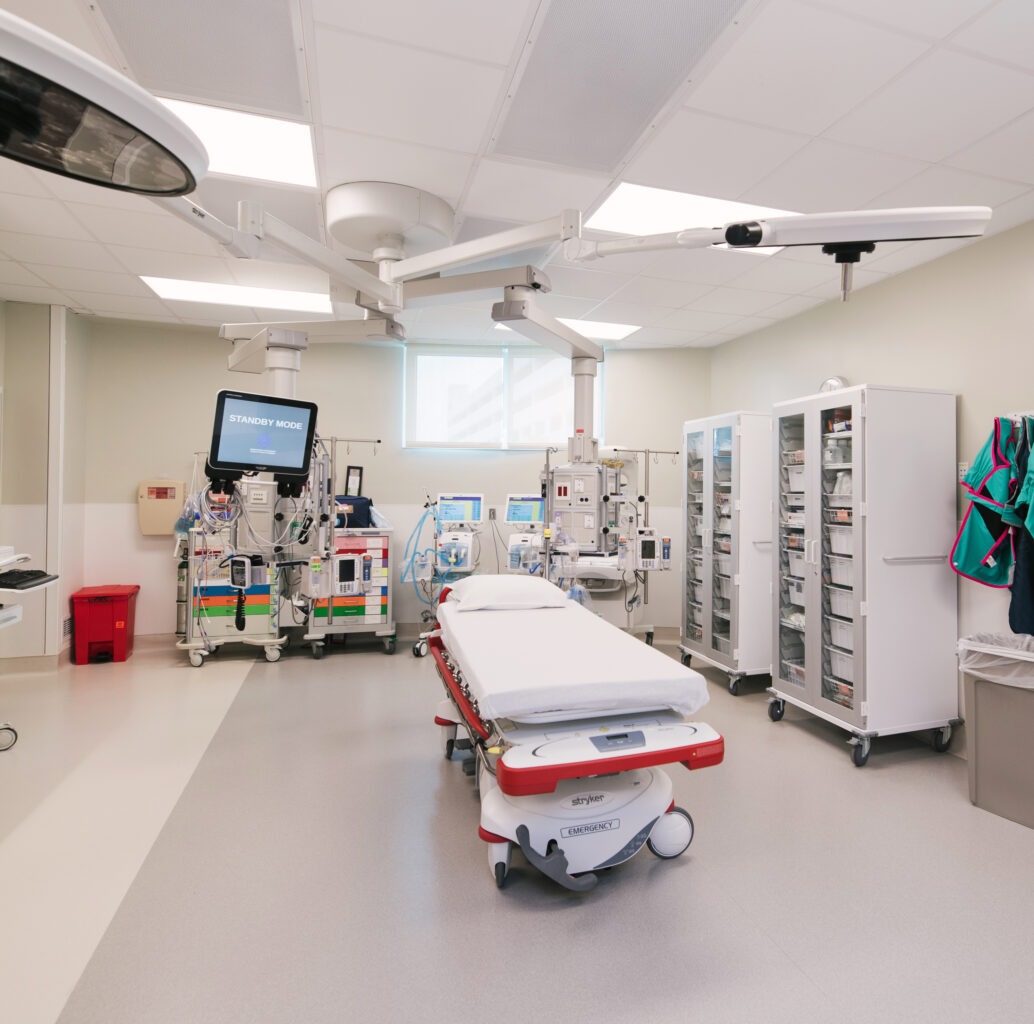
  • Advanced operating rooms designed for emergencies. Hybrid operating rooms combine surgery and advanced imaging in one space, allowing surgeons to diagnose and treat patients without moving them.
  • Advanced imaging capabilities. Biplane interventional suites and high-field MRI scanners provide highly detailed images to help physicians diagnose injuries and provide precise treatment.
  • A commitment to prevention and education. LRH works to prevent traumatic injuries through community education, training, and ongoing research that advances trauma care.

“The most significant impact of being a Level I Trauma Center, is the ability to keep families together during a traumatic event,” said Dr. Timothy Regan, President, Lakeland Regional Health Medical Center and Chief Medical Officer, Lakeland Regional Health. “We are equipped to provide advanced, multidisciplinary trauma care for patients of all ages, 24/7, while ensuring comprehensive and timely support when it matters most. Families no longer need to leave the county to be near their loved ones during recovery.”

A Comprehensive Stroke Center, Right Here at Home

Just as with trauma care, every minute matters when someone is experiencing a stroke. Not every hospital has the advanced capabilities and specialists needed to provide the highest level of stroke care.

Lakeland Regional Health’s Comprehensive Stroke Center has earned the highest level of stroke certification available. It brings together specialized physicians, advanced technology, and coordinated care to treat patients experiencing strokes and other complex neurological emergencies.

Patients benefit from:

  • Around-the-clock availability of stroke specialists
  • Advanced diagnostic and treatment capabilities. Advanced imaging and interventional technologies support the rapid diagnosis and treatment of complex neurovascular conditions.
  • Coordinated care from diagnosis through recovery. Specialists from neurology, neurosurgery, radiology, and rehabilitation work together to provide seamless care through every stage of treatment.
  • Specialized stroke rehabilitation. Patients who need intensive rehabilitation after a stroke have access to the Bannasch Institute for Advanced Rehabilitation Medicine, Polk County’s only CARF-accredited inpatient rehabilitation program where a multidisciplinary team helps patients regain strength, independence, and function.
  • Nationally recognized care. For the second consecutive year, Lakeland Regional Health has received the American Heart Association’s Get With The Guidelines® – Stroke Gold Plus quality achievement award for providing timely, evidence-based stroke care.

Specialized Emergency Care Beyond Trauma and Stroke

Trauma and stroke care are only part of the story. Lakeland Regional Health’s specialized emergency services extend further than most people realize.

Children’s Emergency Department

LRH is home to Polk County’s only dedicated Children’s Emergency Department, where physicians and nurses specialize in caring for infants, children, and adolescents in an environment designed to make them comfortable. Through our partnership with Nemours Children’s Health, pediatric patients also have access to a network of pediatric specialists when additional care is needed.

Obstetrics Emergency Department

For expectant and new mothers, the Obstetrics Emergency Department (OBED) is dedicated exclusively to pregnant and postpartum patients. Led by OB/GYN physicians, the OBED provides rapid evaluation and expert treatment for pregnancy and childbirth concerns when every moment matters.

Chest Pain Center

LRH is the only hospital in Polk County to earn the American College of Cardiology’s Chest Pain Center Accreditation with Primary PCI and Resuscitation, recognizing excellence in the rapid diagnosis and treatment of heart attacks.

ECMO

LRH is home to Polk County’s only ECMO (extracorporeal membrane oxygenation) machine, a life-saving technology that pumps and oxygenates a patient’s blood outside the body to allow the heart and lungs to rest following heart or lung failure or heart surgery. For critically ill patients, ECMO can provide lifesaving support while the body heals.

Freestanding Emergency Department

For families in South Lakeland, the Freestanding Emergency Department provides 24/7 access close to home. Patients receive the same high-quality emergency care as at the main Medical Center, and if a higher level of trauma care is needed, they are quickly transported to the Medical Center just minutes away.

Care That Continues Beyond the Emergency Department

Emergency care doesn’t end once a patient has been stabilized. When additional treatment or rehabilitation is needed, LRH brings together specialists across the health system to continue care without the need for transfers.

The Bannasch Institute for Rehabilitative Medicine

Home to Polk County’s only CARF-accredited inpatient rehabilitation program, The Bannasch Institute for Rehabilitative Medicine supports recovery long after an emergency ends. The Bannasch Institute provides specialized rehabilitation for patients recovering from stroke, brain and spinal cord injuries, orthopedic surgery, and other complex conditions.

The Bottom Line

Knowing where to go for care when an emergency happens can help you and your family feel more prepared when every second counts. From specialized trauma and stroke care to dedicated emergency departments and advanced specialty programs, Lakeland Regional Health is prepared to care for you and your family when you need it most.

Know Before You Need It

If this is a medical emergency, call 911.

Share: