Lakeland Regional Health Helps Families Put Bike Safety First at RideSafe Fall Fest

Annual event at Bonnet Springs Park combines hands-on bicycle safety education with free helmets and family-friendly activities

November 14, 2026

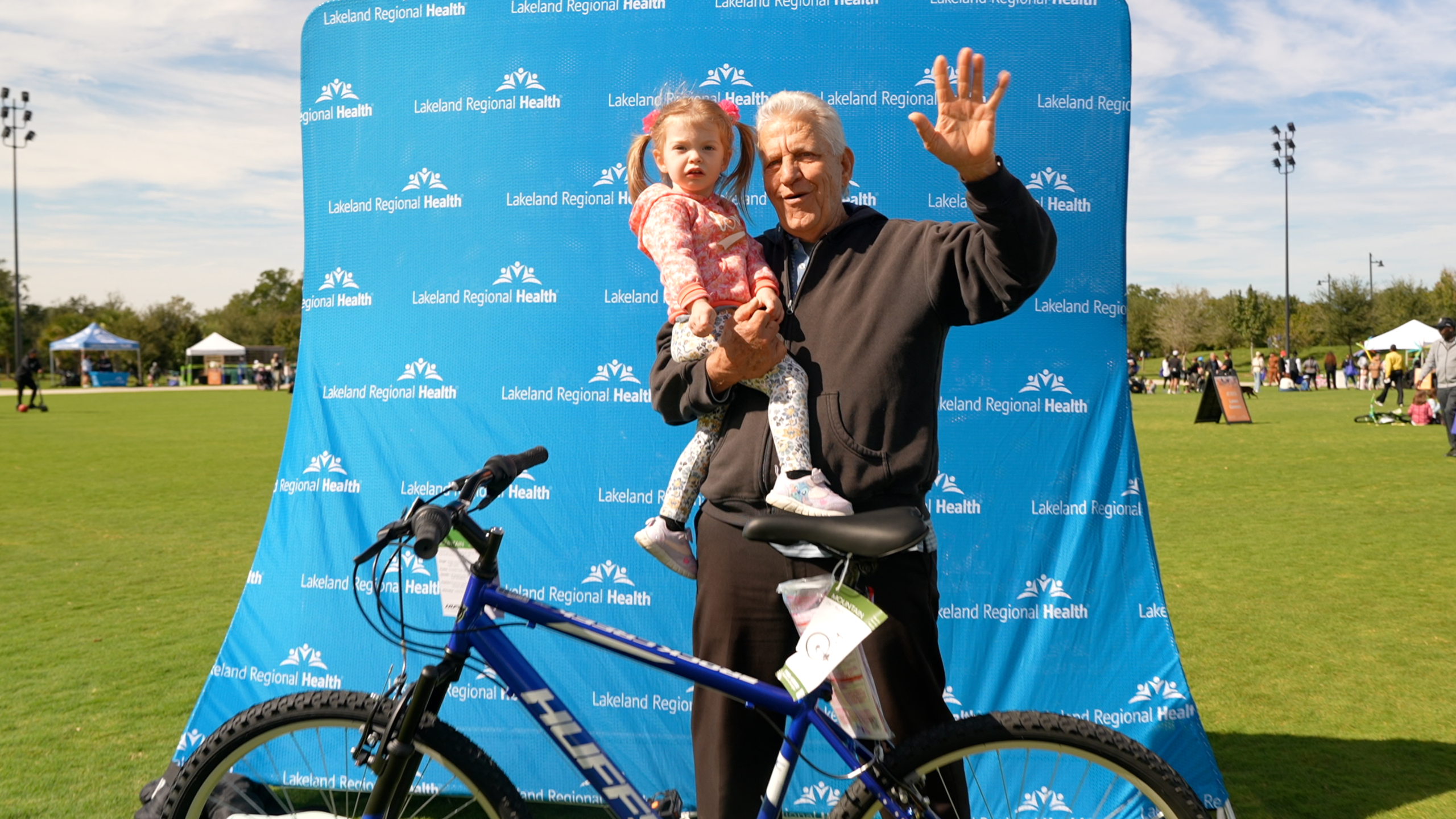
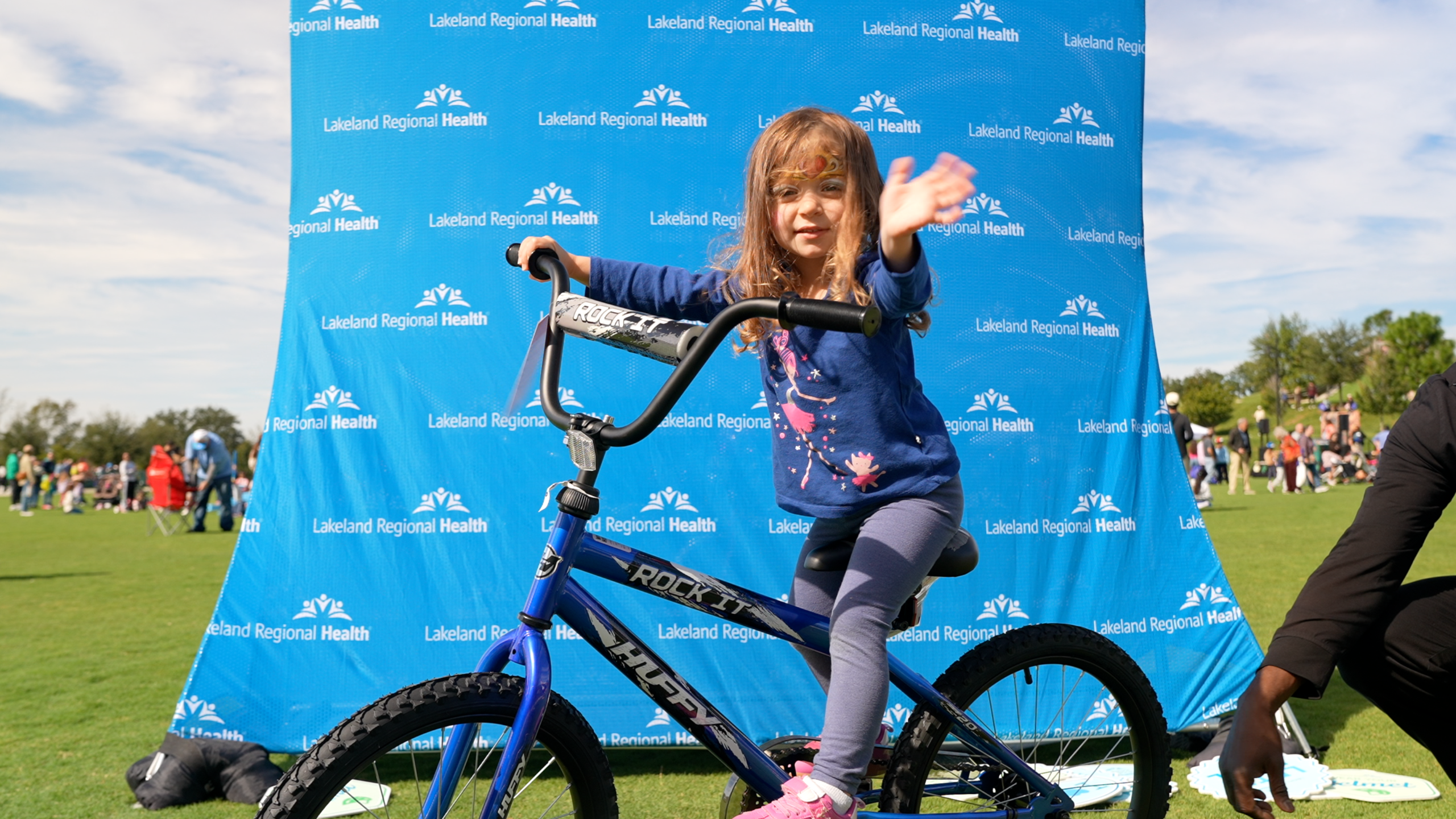
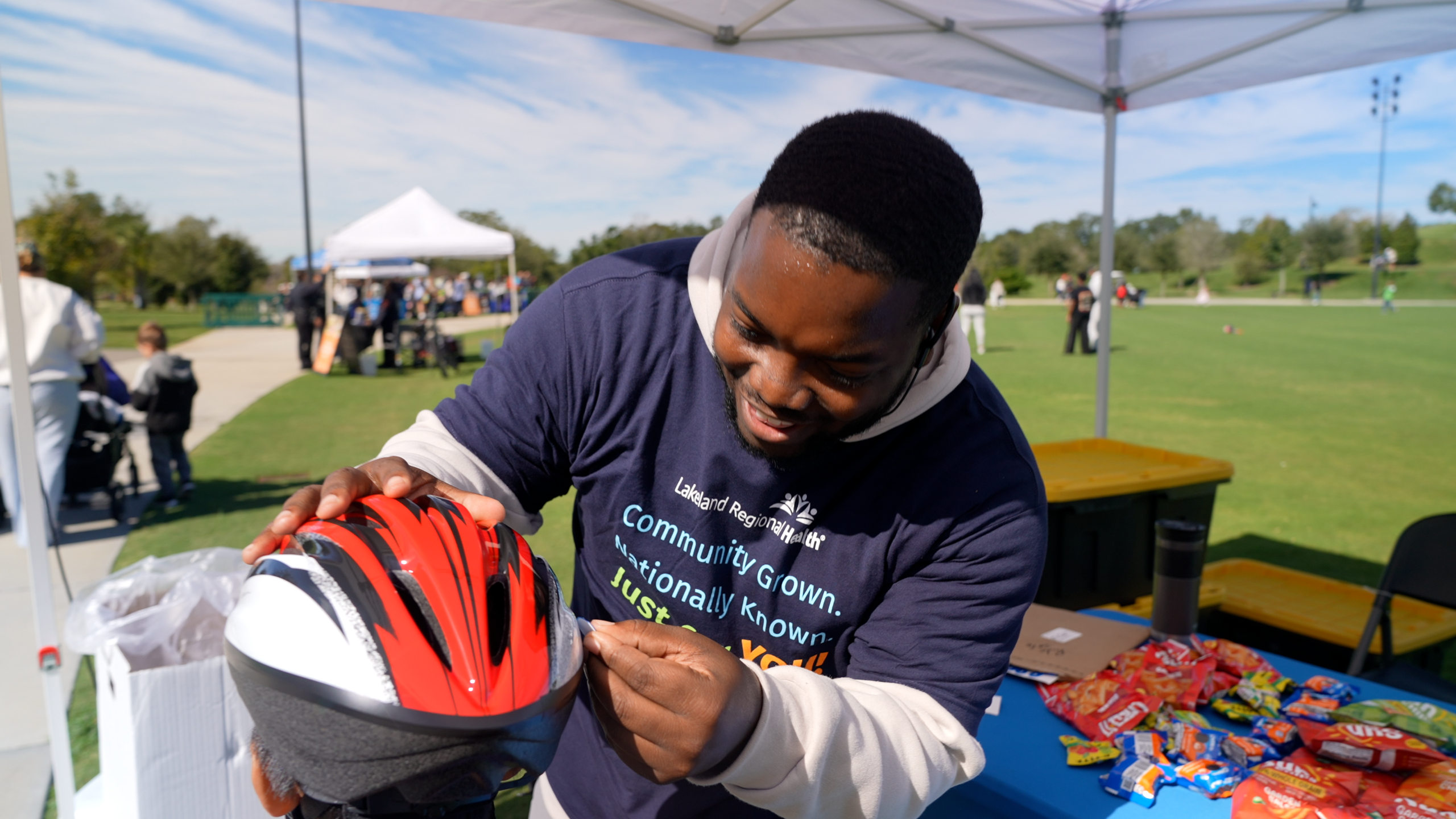
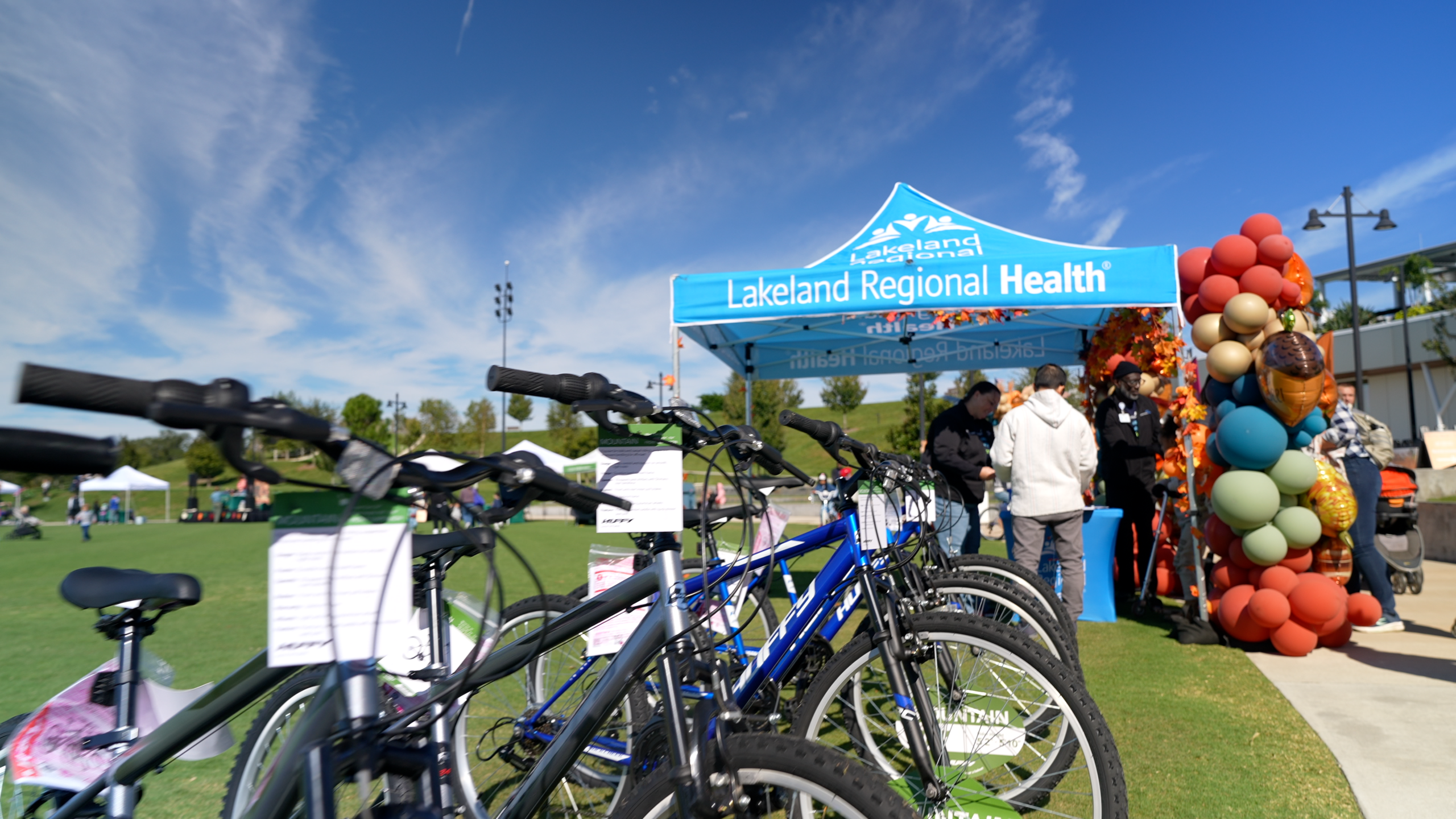
LAKELAND, Fla. – From learning how to properly wear a bicycle helmet to navigating a bike safety obstacle course, families had the opportunity to put safety into practice Saturday during the annual RideSafe Fall Fest at Bonnet Springs Park.

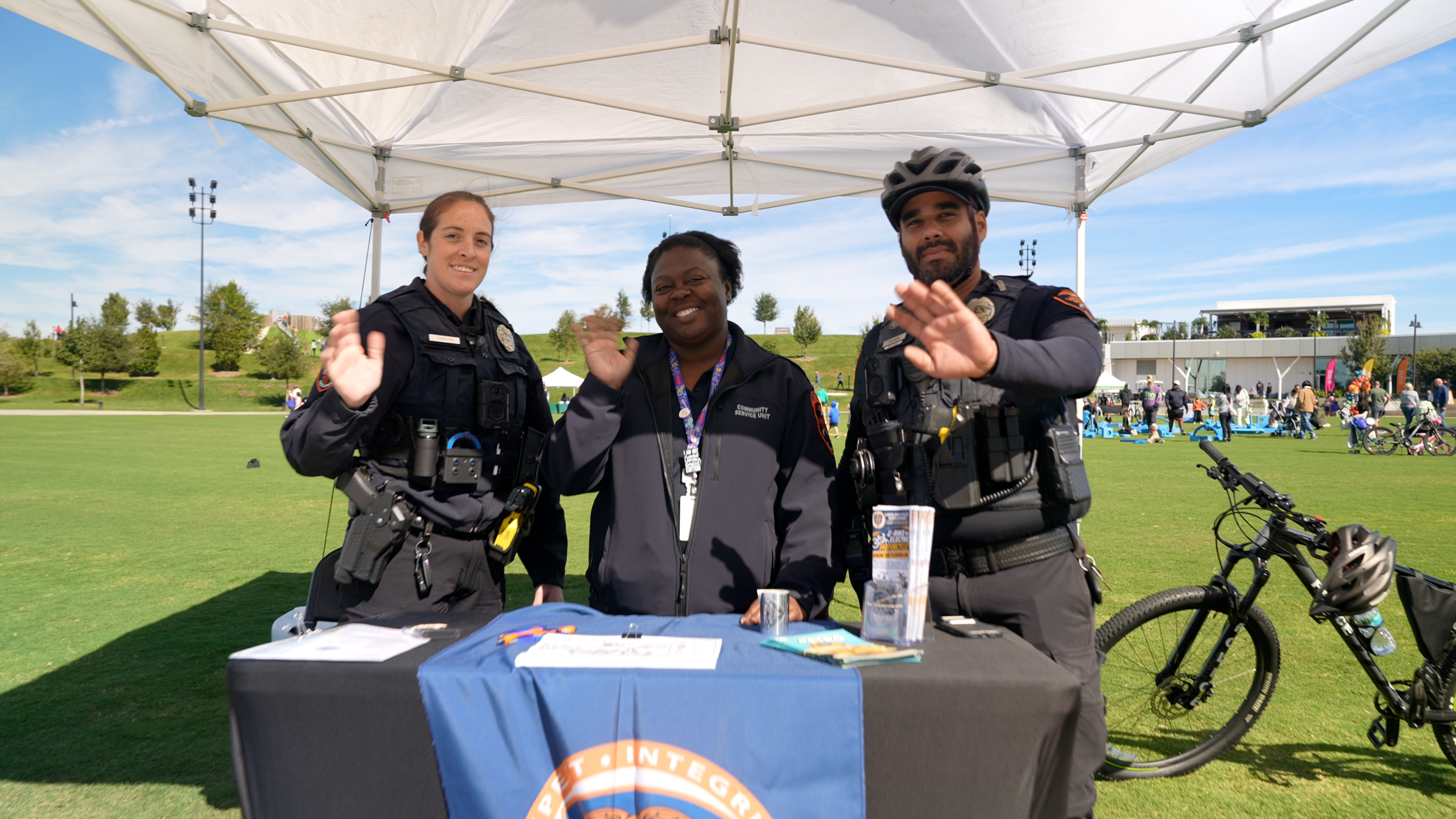
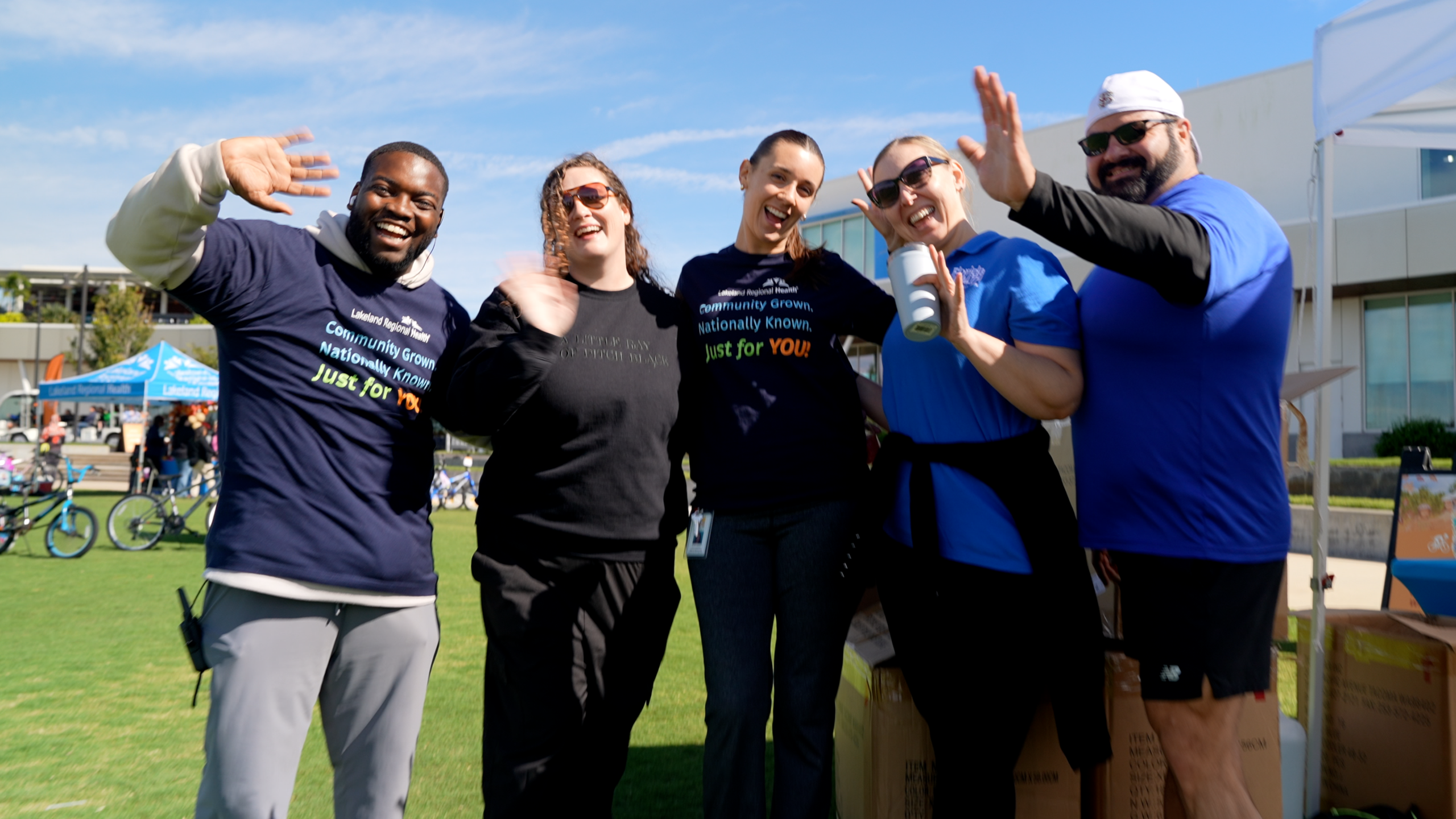
Hosted by Lakeland Regional Health and Bonnet Springs Park, the free community event focused on helping children develop safe riding habits while bringing families together for a day of fun and education.

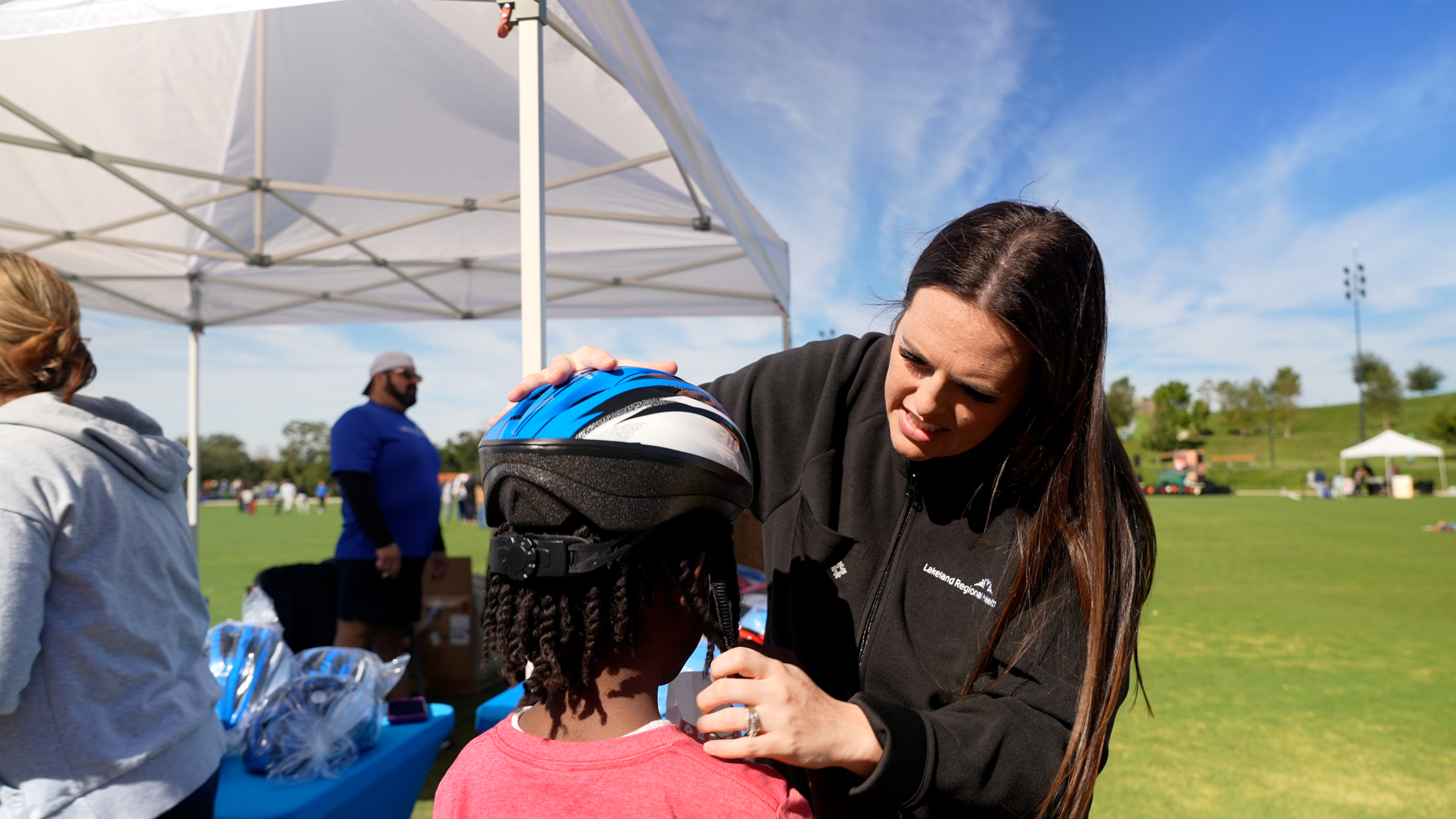
The festival featured the signature RideSafe Bike Rodeo, an interactive obstacle course designed to help children practice essential riding skills, including starting, stopping, turning and maintaining control of their bicycles. Free children’s bicycle helmets were offered while supplies lasted.

Families also had the opportunity to enjoy live music, lawn games, a petting zoo and other activities.

As bicycles and e-bikes continue to be popular among children and teens, Lakeland Regional Health’s trauma team encourages parents to take an active role in teaching and reinforcing safe riding habits.

Five Bike and E-Bike Safety Tips Every Parent Should Know

  1. Wear a helmet. Every ride.
    Children should wear a properly fitted, CPSC-compliant helmet every time they ride. Helmets should sit level, fit snugly and have a securely fastened chin strap. Florida law requires bicycle helmets for riders under age 16, but helmets are recommended for riders of all ages.
  2. Choose the right bike for your child.
    Make sure bicycles and e-bikes are appropriate for a child’s age, size, maturity and riding ability. E-bikes can accelerate quickly and travel at higher speeds than traditional bicycles. Just because a child can operate an e-bike doesn’t necessarily mean they’re ready to ride one safely.
  3. Teach the rules of the road.
    Children should understand traffic signs, ride with traffic when on the roadway, signal turns and stop and look both ways before crossing. Parents should practice road safety with their children before allowing them to ride independently.
  4. Be visible and stay alert.
    Bright clothing, reflectors and appropriate bicycle lights help improve visibility. Riders should avoid distractions, including phones and headphones, and remain alert to vehicles, especially at intersections and driveways.
  5. Check the bike and practice safe riding.
    Before every ride, inspect the brakes, tires and overall condition of the bicycle. Encourage children to practice starting, stopping, turning and controlling their speed in a safe area away from traffic.

Through community events like RideSafe Fall Fest, Lakeland Regional Health continues its commitment to injury prevention, safety education and helping families build healthy habits that extend beyond the event.

About Lakeland Regional Health

Not-for-profit Lakeland Regional Health reaches beyond its hospital walls to promote wellness, education, and discovery in new places and new ways, providing a wide range of inpatient and outpatient healthcare services at its Medical Center, Tampa General Cancer Institute | Lakeland Regional Health Hollis Cancer Center, and ambulatory care locations. Lakeland Regional Health earned Most Wired Advanced and Most Wired status 10 times since 2013 and has earned workplace awards from Forbes, Gallup, and Becker’s Hospital Review. Its 910-bed comprehensive tertiary referral hospital, Lakeland Regional Health Medical Center, operates the Jack and Tina Harrell Family Institute for Advanced Cardiovascular Medicine; a Level I Trauma Center; the Carol Jenkins Barnett Pavilion for Women and Children, which includes a Level III Neonatal Intensive Care Unit; the Bannasch Institute for Advanced Rehabilitation Medicine; and the Harrell Family Center for Behavioral Wellness.

Share: